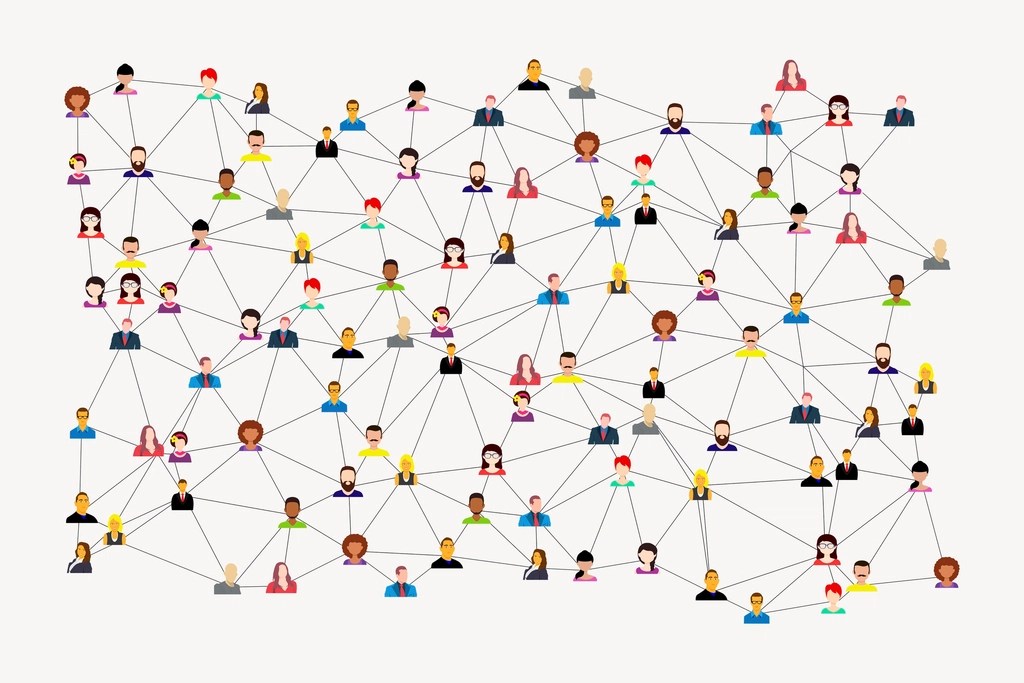
In today’s job market, hiring managers are shifting away from traditional hiring standards focused solely on degrees and educational backgrounds. Instead, employers prioritize skills-based hiring, a recruitment approach that assesses candidates based on their abilities, experiences, and competencies rather than formal qualifications alone. This trend unlocks new opportunities for job seekers, particularly those looking to pivot careers, break into new industries, or compete for positions where experience overshadows formal education.
Why Are Employers Prioritizing Skills Over Degrees?
The move toward skills-based hiring is driven by several key factors:
- Talent Shortages — Many industries are encountering talent gaps, requiring companies to be more flexible in hiring processes.
- Technological Advancements – Fast technological changes demand that employees continuously upskill, making adaptability more important than degrees.
- Diversity & Inclusion (DEI) – Omitting strict degree requirements permits businesses to attract a more diverse talent pool.
- Proven Competencies— Employers acknowledge that real-world skills, hands-on experience, and certifications usually carry more weight than a diploma.
How to Emphasize Transferable Skills on Your Resume & in Interviews
If you’re transitioning careers or applying for a role without a formal degree in the field, here’s how to position yourself effectively:
1. Identify Your Transferable Skills
Transferable skills are abilities that can be spread across multiple industries and positions. Some key examples include:
- Soft Skills: Leadership, communication, teamwork, problem-solving, adaptability, and emotional intelligence.
- Technical Skills: Data analysis, digital marketing, coding, graphic design, project management, and customer relationship management (CRM) software proficiency.
- Industry-Specific Skills: Sales forecasting, financial modeling, compliance knowledge, and healthcare administration.
2. Tailor Your Resume to a Skills-Based Approach
- Use a Skills Summary Section – Create a dedicated section at the top of your resume that lists key competencies.
- Highlight Achievements Over Job Titles – Instead of focusing on job titles, emphasize how you used your skills to achieve real results.
- Optimize for Applicant Tracking Systems (ATS) – Use industry-relevant keywords from job descriptions to ensure your resume passes automated screenings.
3. Showcase Skills in Your Cover Letter & Interview
- Tell a Story – Use examples from past experiences to demonstrate how you’ve successfully applied your skills.
- Quantify Your Impact – Provide numeric data to show how your skills contributed to business success (e.g., “Implemented a new CRM system that improved client retention by 25%”).
- Demonstrate a Growth Mindset – Highlight instances where you learned new skills or adapted to industry changes.
Resources to Help You Develop and Showcase Your Skills
- Coursera (www.coursera.org) – Offers certificates from top universities and companies.
- Google Career Certificates (https://grow.google/certificates) – Programs to help job seekers gain high-demand skills.
- Udemy (www.udemy.com) – Affordable courses on business, tech, and personal development skills.
- Skillshare (www.skillshare.com) – Video lessons on creative and business skills.
- LinkedIn Learning (www.linkedin.com/learning) – Online courses on in-demand job skills.
As the job market evolves, skills-based hiring is becoming the norm rather than the exception. Job applicants who focus on showcasing their abilities, gaining new competencies, and presenting their experiences effectively will have a competitive edge in today’s hiring landscape. Whether changing careers or looking to advance in your current field, emphasizing transferable skills is key to securing your next opportunity.
Need help to turn rejections into opportunities? At OrganicREADY LLC, we specialize in resume writing and career coaching to help you confidently navigate your professional journey. Let’s turn your setbacks into comebacks together! Book a Free consultation today!
Discover more from OrganicREADY
Subscribe to get the latest posts sent to your email.




 OrganicREADY